English
  العربية
  简体中文
简体中文  Français
  Deutsch (Sie)
  Русский
  Español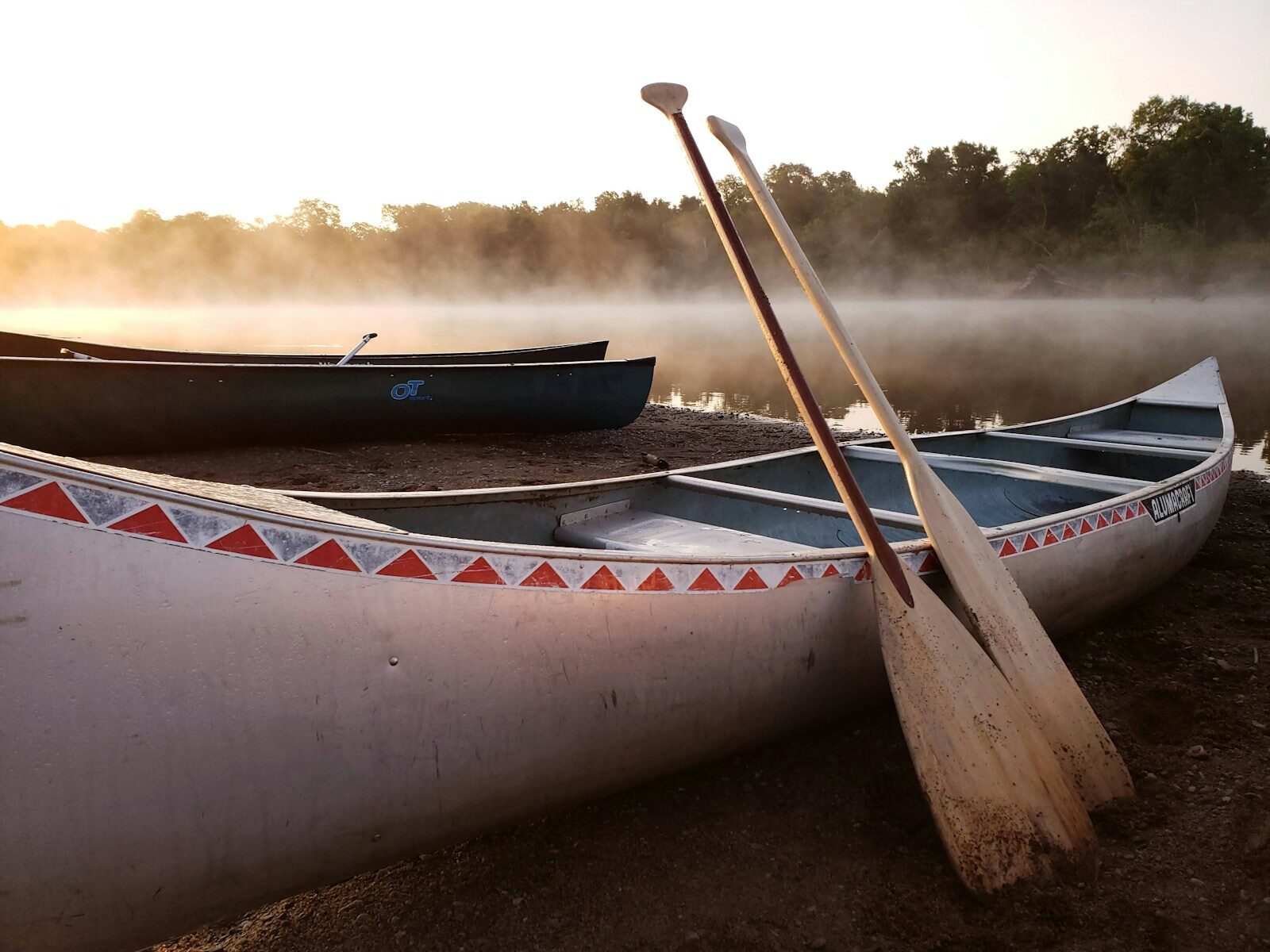
For Indigenous Peoples, movement has always been part of our ways of life and is being reclaimed on our own terms.
On this International Day of the World’s Indigenous Peoples, we honour the movement traditions that have sustained Indigenous Peoples since time immemorial. Long before “physical activity” became a public health category, movement was inseparable from everyday life.
Movement served vital community purposes:
- Running and walking carried messages across vast distances.
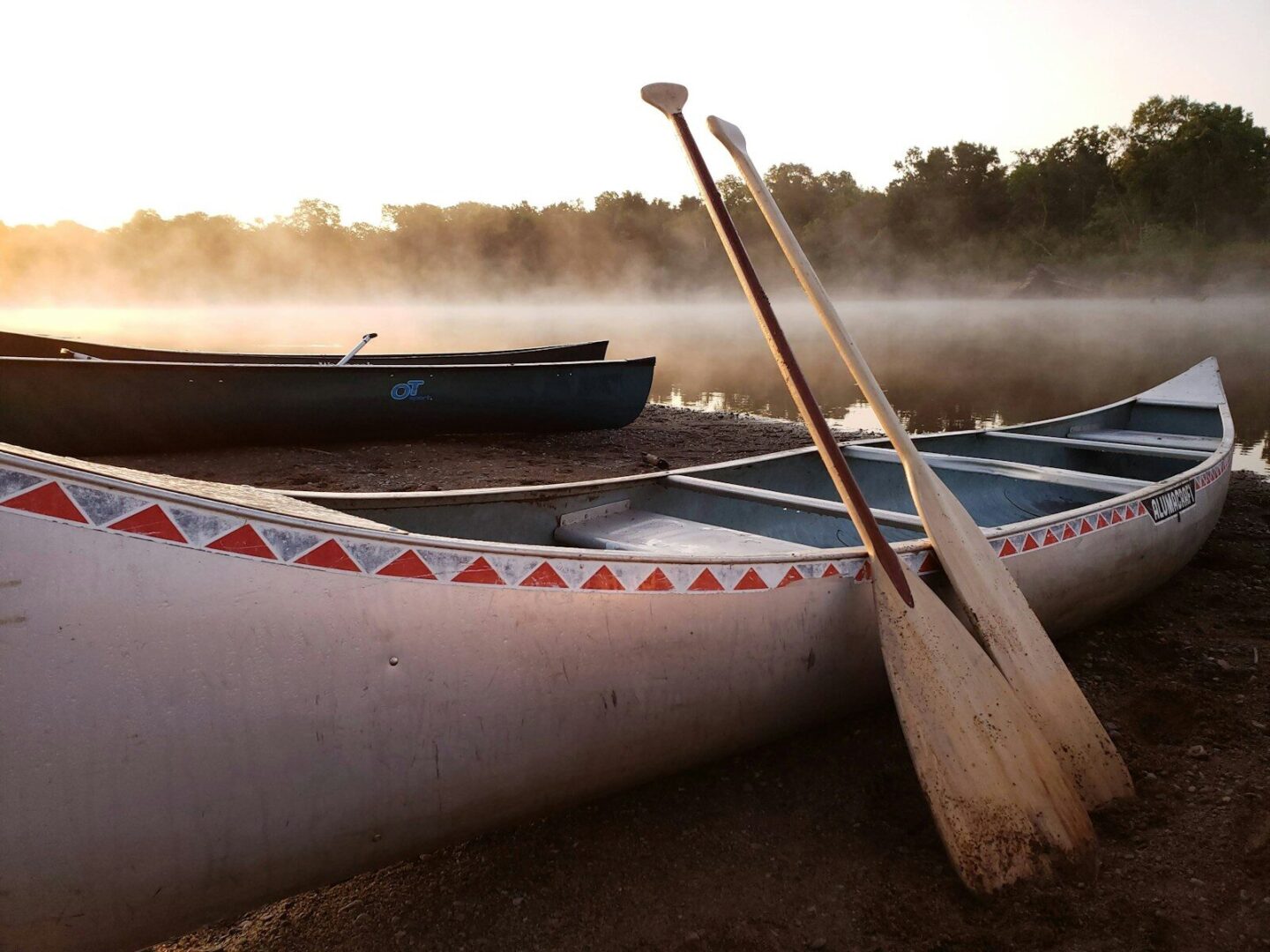
- Canoeing and wayfinding moved trade and connected families.
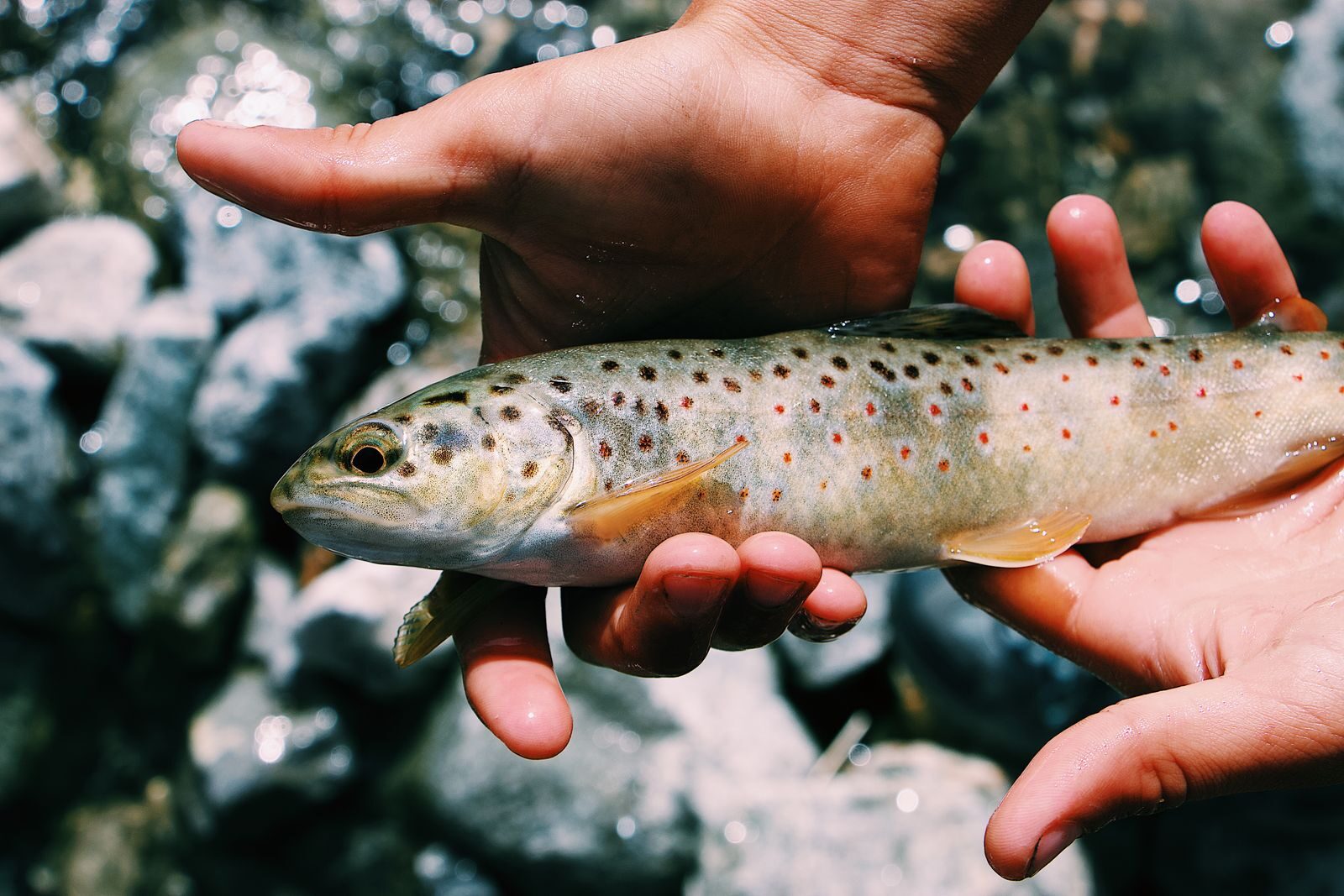
- Hunting, fishing, and harvesting fed communities through every season.
- Traditional games like Tewa:aráton (the Haudenosaunee Creator’s Game popularly known as lacrosse) doubled as medicine to resolve conflict and bring people together.
Across Indigenous Nations worldwide, movement has always been integral to wholistic health. It maintains balance between one’s physical, spiritual, mental, and emotional dimensions.
Health is a Verb: Movement as Culture
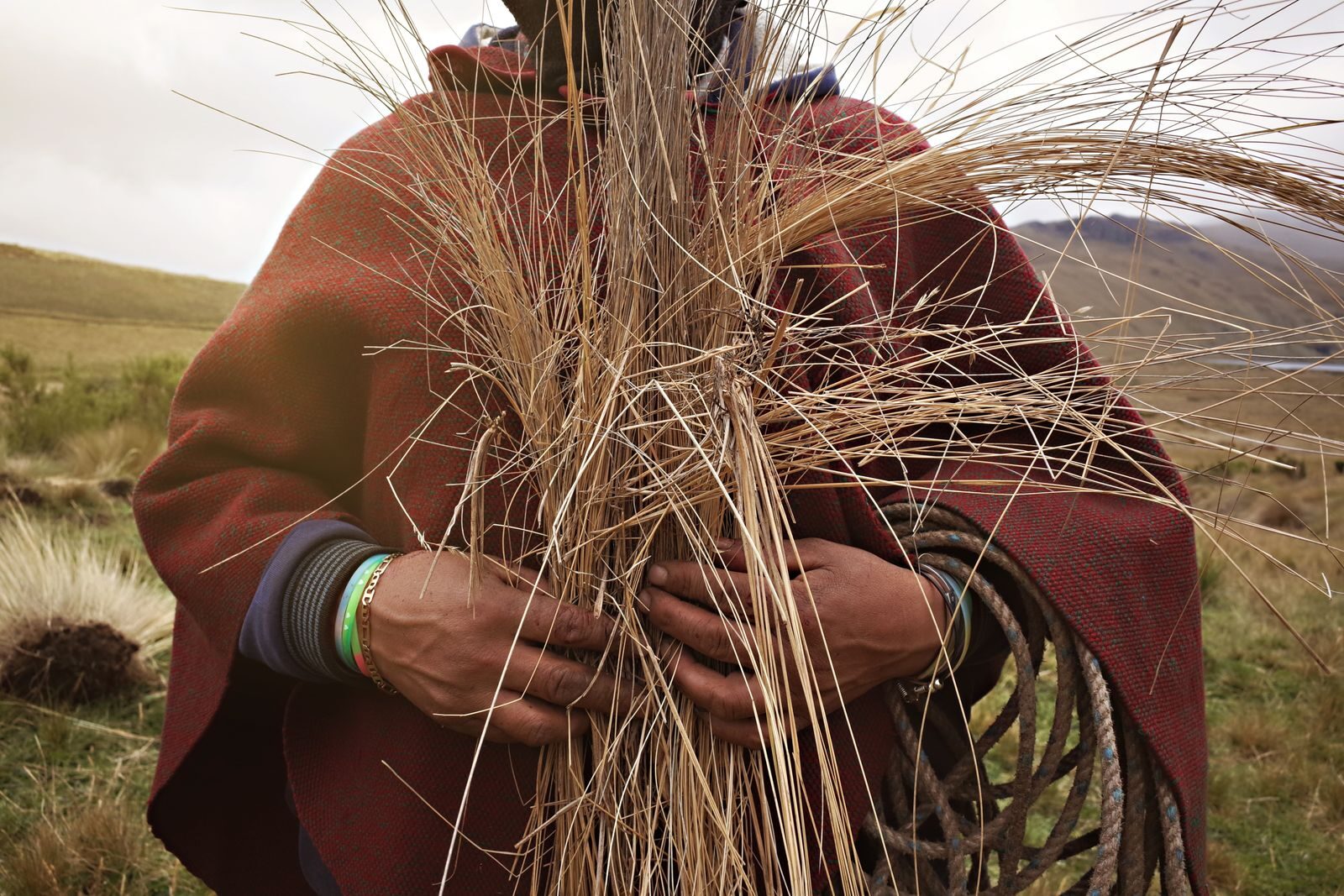
What movement looks like is itself a manifestation of culture. In Kanyen’kéha (the Mohawk language), health is a verb. Health is something people continually do by maintaining relationships with land, community, family, and one’s own body, mind, and spirit. The forms that movement takes and the meaning it carries emerge directly from the culture of the people practicing it.
Colonization did not simply disrupt Indigenous movement practices. It actively reshaped the social, political, and environmental conditions that determine opportunities to be active. Legislation such as the Indian Act in Canada, the Dawes Act in the United States, State Protection Acts in Australia, and the Native Lands Acts in Aotearoa New Zealand systematically drove these disruptions.
Land dispossession, the criminalization of ceremony, forced assimilation, and the privileging of Western institutions continue to influence access to culturally meaningful movement today.
Key Shift: Framing Indigenous physical activity only in terms of what is “missing” obscures the structural roots of contemporary health inequities. The issue is not a deficit in Indigenous ways of knowing, doing, and being, but the enduring impacts of colonial systems that sought to suppress them.
Indigenous Peoples are reclaiming their relationship to physical activity and physically active lifestyles on their own terms, and the evidence shows what is possible when these efforts are Indigenous-led:
- The North American Indigenous Games, whose founding vision took shape in the 1970s in part among residential school survivors, reclaimed sport as a tool for healing and self-determination; today it brings together thousands of athletes from hundreds of Nations.
- He Huarahi Tautoko (Avenue of Support) programme: In Aotearoa New Zealand, this strengths-based, intergenerational program pairs cultural exchange with physical activity for Māori kaumātua (Elders). Grounded in te whare tapa whā (a holistic Māori wellbeing model), it shows that movement benefits extend far beyond physical outcomes to lift social, emotional, and spiritual wellbeing (Oetzel et al., 2023).
- Land-based programs like the Sibi (River) fishing program and the Niska (Goose) harvesting program in subarctic Ontario, and Native Hawaiian-led initiatives like the Waimānalo Pono Research Hui, show physical activity thriving where communities set the terms (Ahmed et al., 2023, 2024; Chung-Do et al., 2019).
What the Research Tells Us
This centring of Indigenous knowledge and self-determination is strongly reflected in our own research. In a narrative review of a decade of Indigenous health promotion literature, we found that programs were more successful, and produced stronger health outcomes, when they challenged colonial assumptions and centred Indigenous knowledge systems rather than simply adapting Western approaches (McBeath, Jock, et al., 2025).
Complementing these findings, interviews with First Nations communities identified cultural grounding, including experiential and land-based learning, intergenerational knowledge transfer and personal cultural healing journeys as foundational to effective health promotion practice (McBeath, Lévesque, et al., 2025).
As we mark the International Day of the World’s Indigenous Peoples, we celebrate not only the enduring strength of Indigenous cultures, but also the resurgence of Indigenous-led movement, sport, and land-based practices. Supporting these efforts means recognizing that movement is more than a health behaviour — it is an expression of culture, relationship, and self-determination that has sustained Indigenous Peoples since time immemorial and will continue to do so for generations to come.
Take home messages
- Movement is Political: Indigenous lifeways have always woven movement into relationship with land, community, and spirit. Because colonial policies deliberately disrupted these relationships, resilience and resurgence must also include political action that advances Indigenous rights and self-determination.
- Culture-First Approaches Win: Indigenous-led programs that centre culture, language, land, and community consistently demonstrate stronger engagement and broader health benefits — including physical, social, emotional, and spiritual wellbeing— than programs that simply adapt Western models.
- Self-Determination is Foundational: Self-determination is the bedrock of effective Indigenous health promotion. Indigenous Peoples must define, lead, and evaluate what meaningful physical activity and health promotion look like in their own communities.
Authored by:
Brittany McBeath (PhD) is a Kanyen’kehá:ka woman of mixed ancestry with roots in Tyendinaga Mohawk Territory. She is a post-doctoral fellow at the Faculty of Kinesiology and Physical Education at the University of Toronto, Canada.
Lucie Lévesque (PhD) is a woman of French and Irish settler ancestry. She leads the Community-Engaged Heath Promotion Research group in the School of Kinesiology and Health Studies at Queen’s University, Canada.
References
Ahmed, F., Liberda, E. N., Soloman, A., Davey, R., Sutherland, B., & Tsuji, L. J. S. (2023). Indigenous land-based approaches to well-being: The Sibi (River) program in subarctic Ontario, Canada. International Journal of Circumpolar Health, 82(1), 2252595. https://doi.org/10.1080/22423982.2023.2252595
Ahmed, F., Zuk, A., Sutherland, C., Davey, R., Solomon, A., Liberda, E., & Tsuji, L. (2024). Promoting women’s wellbeing through the Niska (Goose) Harvesting Program in subarctic Ontario, Canada. Rural and Remote Health, 24. https://doi.org/10.22605/RRH9055
Chung-Do, J. J., Ho-Lastimosa, I., Keaulana, S., Ho Jr, K., Hwang, P. W., Radovich, T., Albinio, L., Rogerson, I., Keli‘iholokai, L., Deitschman, K., & Spencer, M. S. (2019). Waimānalo Pono Research Hui: A Community–Academic Partnership to Promote Native Hawaiian Wellness through Culturally Grounded and Community-Driven Research and Programming. American Journal of Community Psychology, 64(1–2), 107–117. https://doi.org/10.1002/ajcp.12355
McBeath, B., Jock, B. W., Delormier, T. W., & Lévesque, L. (2025). Recentering Indigenous knowledge: A narrative review of recent developments in Indigenous health promotion. International Journal of Indigenous Health, 21(1). https://doi.org/10.32799/ijih.v21i1.45613
McBeath, B., Lévesque, M. C., Lévesque, L., Périllat-Amédée, S., Sahajpal, R., Tremblay, M.-C., & Delormier, T. (2025). An exploration of cultural grounding in Indigenous health promotion: Perspectives from First Nations communities in Canada. Health Promotion International, 40(6), daaf211. https://doi.org/10.1093/heapro/daaf211
Oetzel, J. G., Zhang, Y., Nock, S., Meha, P., Huriwaka, H., Vercoe, M., Tahu, T., Urlich, J., Warbrick, R., Brown, G., Keown, S., Rewi, P., Erueti, B., Warbrick, I., Jackson, A.-M., Perry, T., Reddy, R., Simpson, M. L., Cameron, M. P., & Hokowhitu, B. (2023). Enhancing health outcomes for Māori elders through an intergenerational cultural exchange and physical activity programme: A cross-sectional baseline study. Frontiers in Public Health, 11. https://doi.org/10.3389/fpubh.2023.1307685