 English
  العربية
  简体中文
简体中文  Français
  Deutsch (Sie)
  Русский
  Español
 -
Measuring More, Changing Less: Technology, Context and Equity
Inside the ISPAH-JPAH webinar on what digital tools can and cannot do for physical activity and equity. On 20 May 2026, ISPAH and the Journal of Physical Activity and Health (JPAH) co-hosted a webinar built around JPAH’s October 2025 special issue on leveraging technology to…
4–6 minutes -
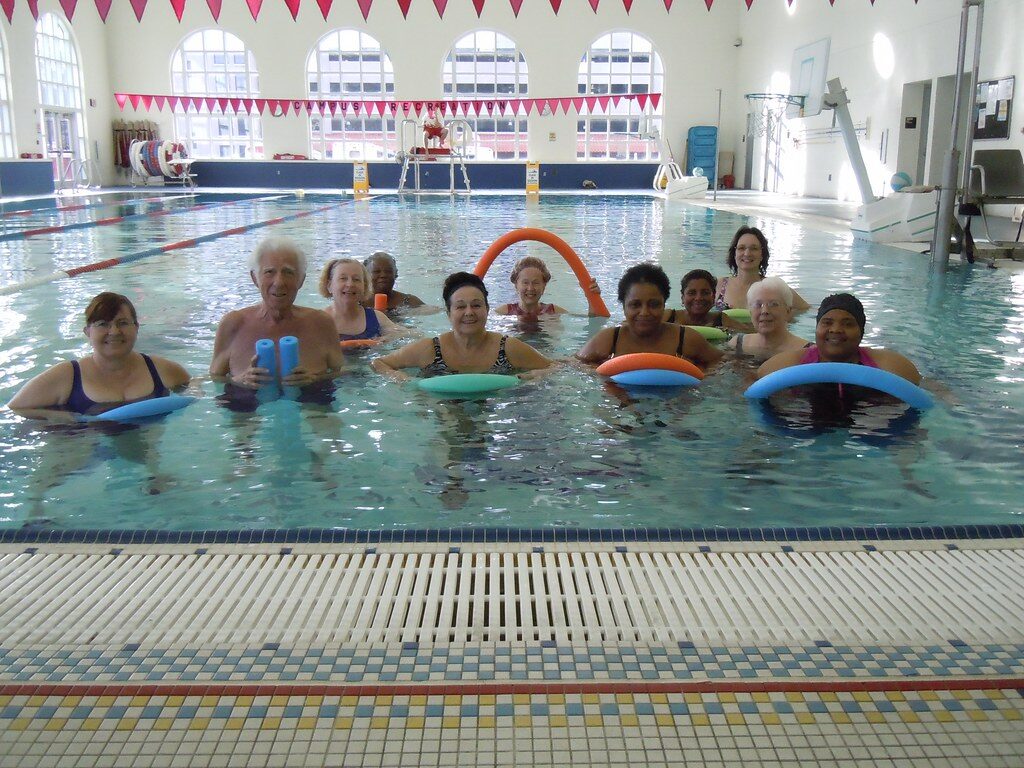
“Older adults” covers 35 years. Your prescription should too.
Why treating 65 to 100+ as one group weakens practice, and two ideas that sharpen it. The evidence base for physical activity in later life is strong particularly for single and multiple morbidities that become more common with age (see Atkin and colleagues). However, there…
2–4 minutes -
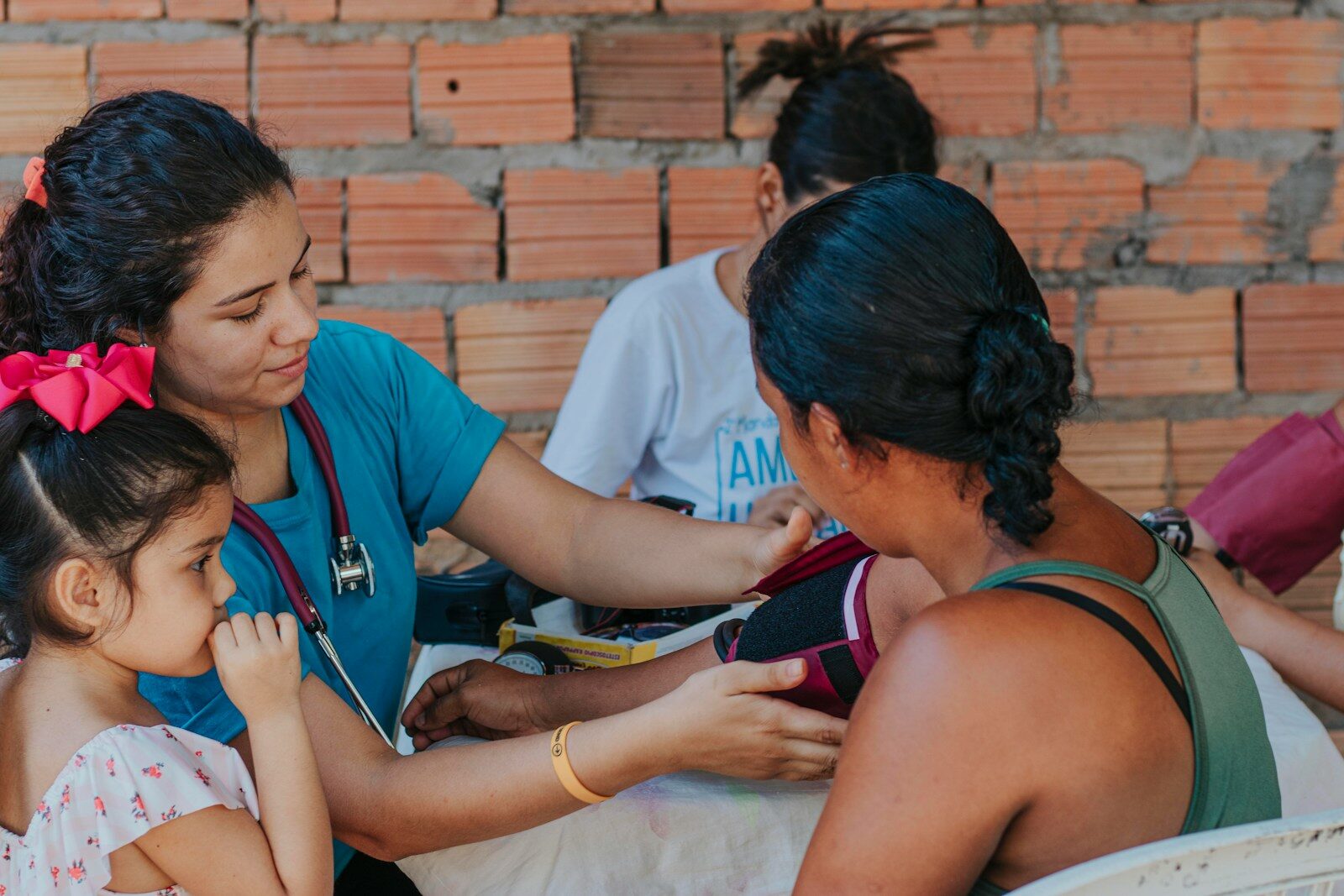
Taking Heart Health Beyond the Clinic
Bringing cardiovascular disease prevention closer to where people work, live and play Most of us know being physically active, eating well, avoiding tobacco, and reducing our alcohol consumption can protect our heart and reduce the risk of cardiovascular disease. Yet, prevention only works if it…
3–4 minutes -

Movement is Culture: Indigenous Resilience Through Physically Active Lifestyles
For Indigenous Peoples, movement has always been part of our ways of life and is being reclaimed on our own terms. On this International Day of the World’s Indigenous Peoples, we honour the movement traditions that have sustained Indigenous Peoples since time immemorial. Long before…
5–7 minutes -
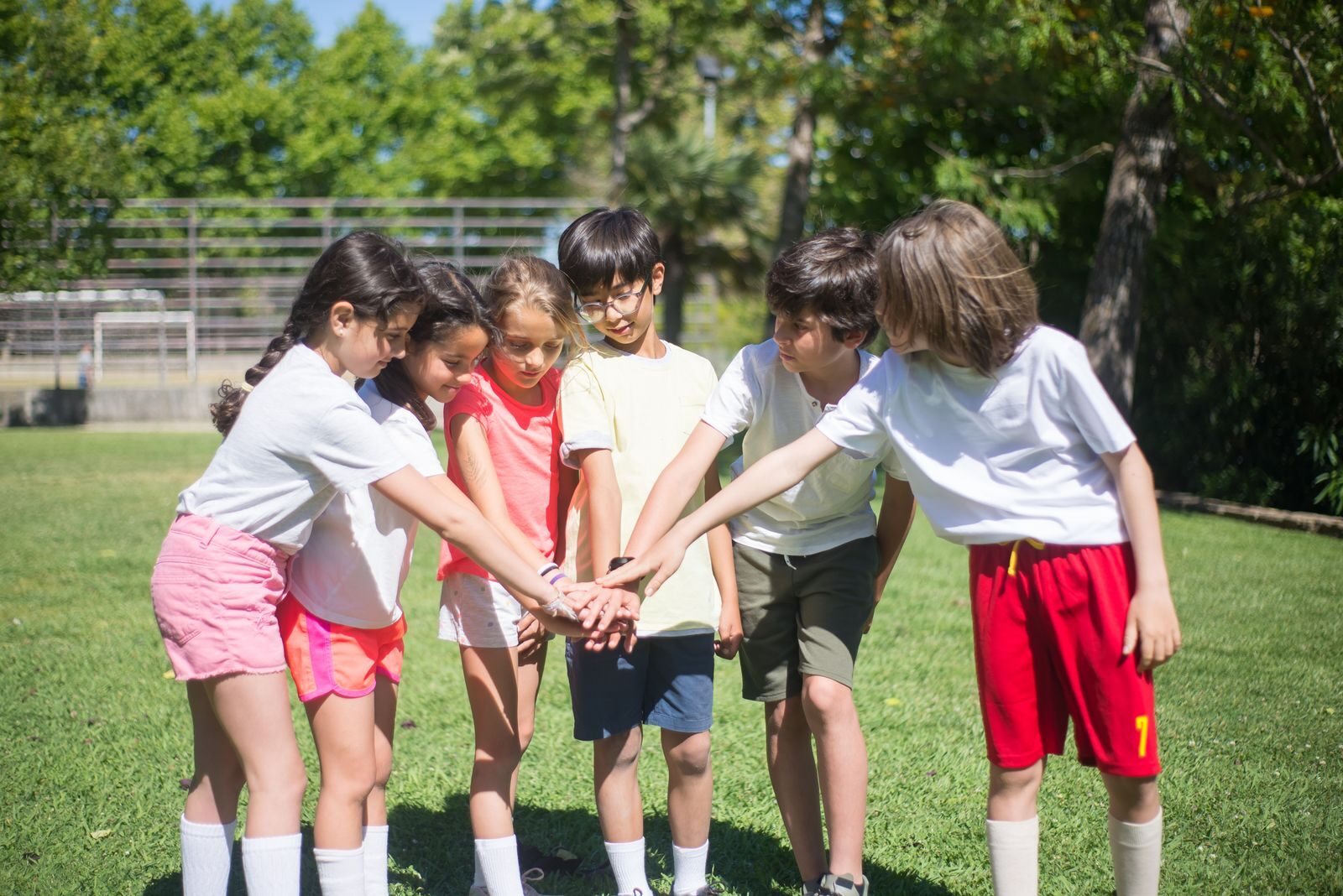
Beyond programmes: Why whole-school physical activity needs a systems approach
How do we move from knowing that schools matter for children’s physical activity, to creating lasting change that reaches every child? This question shaped one of the legacy activities from the International Whole-School Physical Activity Conference (#WSPA2024) held at the University of Bradford, UK. Rather…
5–7 minutes -
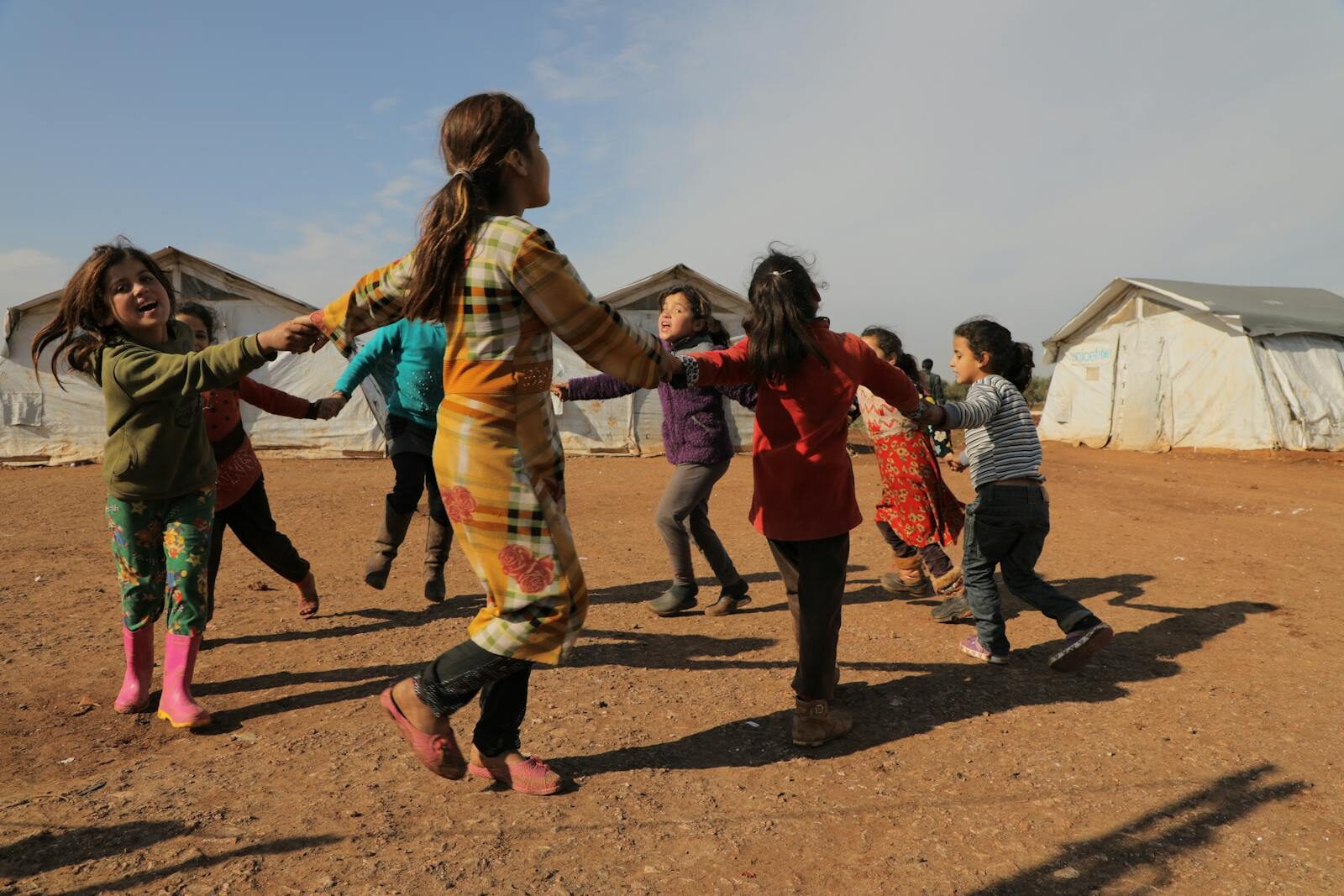
A child’s right to play: Why it’s everyone’s business
Parents, educators, and governments have a shared responsibility to protect a child’s right to play. From our earliest years, we’re encouraged to “learn through play” to explore, imagine, move, and connect. Yet beyond this familiar phrase lies something far more important. When children engage in…
3–5 minutes -

Moving for the Planet: Physical Activity and the Environment
World Environment Day, 5 June 2026 Physical activity is one of the most powerful tools available for human health. Decades of evidence confirms that regular movement reduces the risk of cardiovascular disease, cancer, depression, and premature death. Yet as the climate crisis deepens, there is…
2–3 minutes -
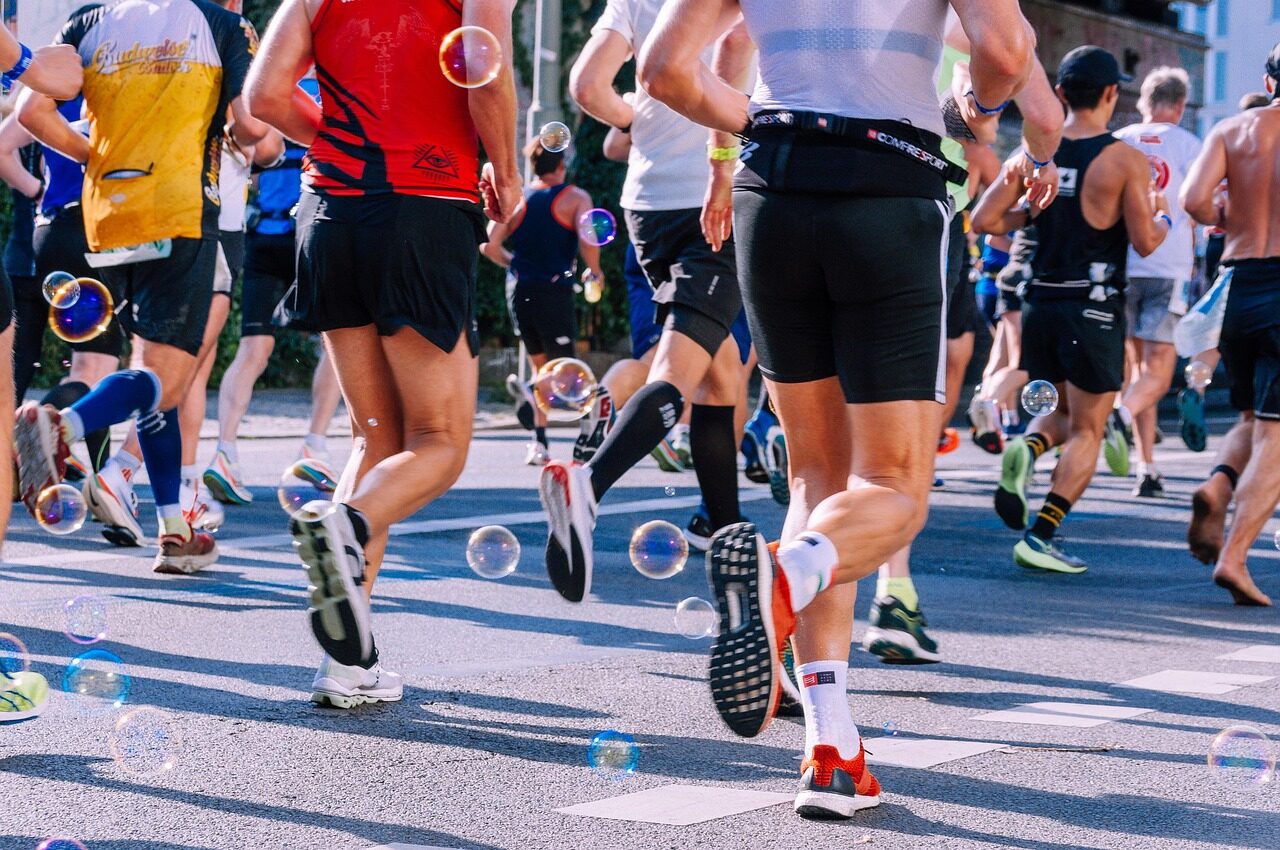
Running’s Third Boom: Who Gets to Join In?
Running is growing, but we must ask who has access to safe, welcoming, and meaningful ways to take part? On this Global Running Day, we find ourselves in the middle of what some have called running’s ‘third boom.’ Major races are seeing extraordinary demand, marathon…
3–5 minutes -

Unlocking Movement: Systems That Support Daily Activity
How can small structural changes in schools can remove barriers, reduce inequalities, and help young people be active throughout the day What is it about? Physical activity is essential for children’s and adolescents’ physical and mental health, wellbeing, learning, and development. Yet globally most young…
4–6 minutes -

Is the way we frame physically active learning holding us back?
How a shift to movement‑centred pedagogy can strengthen research–practice alignment and improve sustainability in schools. What is it about? In recent years, physically active learning (PAL) has gained considerable attention for its potential to enhance both health and educational outcomes. Yet, despite strong supporting evidence,…
3–5 minutes -
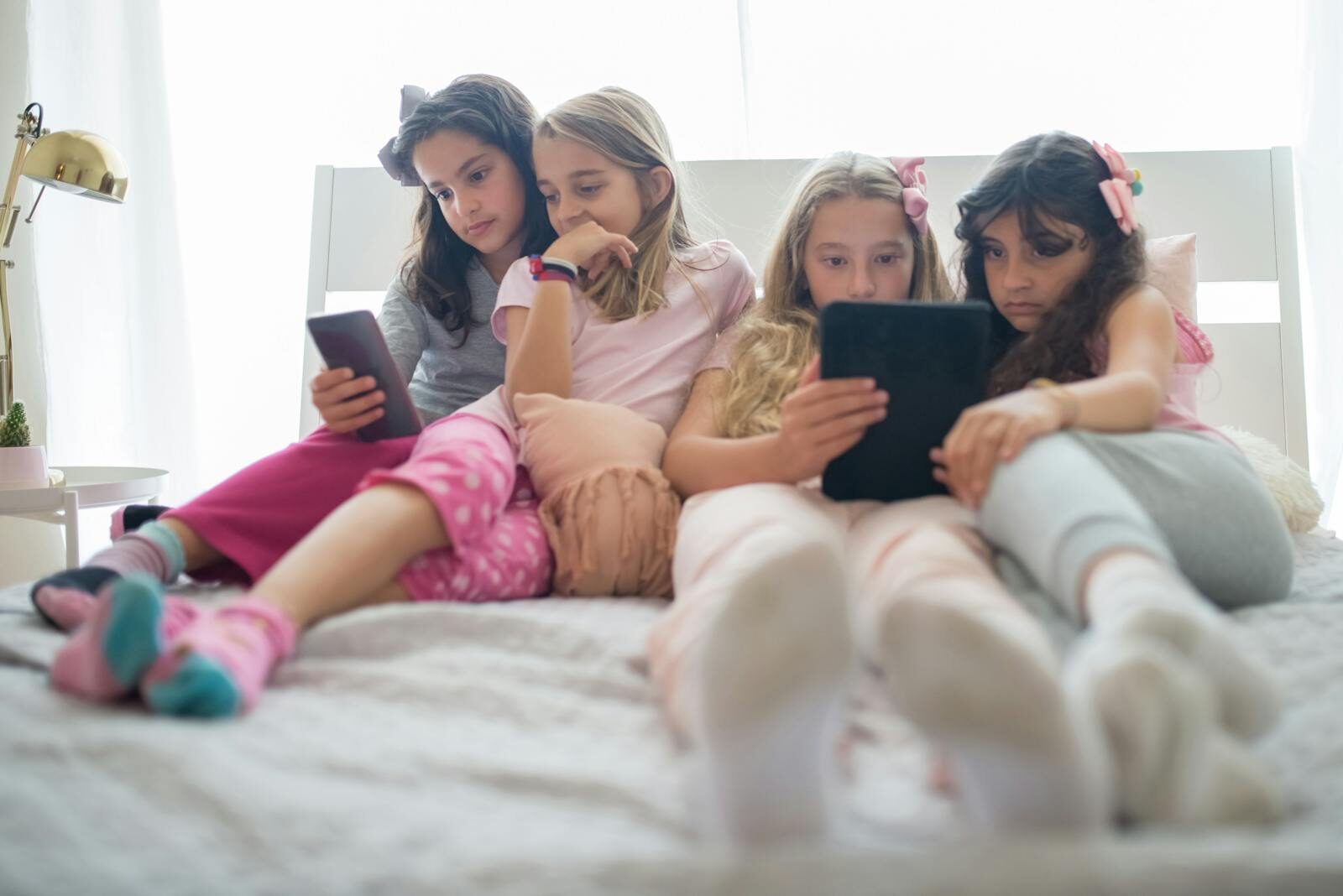
Social Media and Teen Wellbeing: Finding the Balance
Moderate social media use may support adolescent wellbeing better than none or heavy use. What is it about? Our study explored how social media use relates to adolescent wellbeing over time. Using data from more than 100,000 Australian students aged roughly 8–18 years, we tracked…
3–4 minutes -
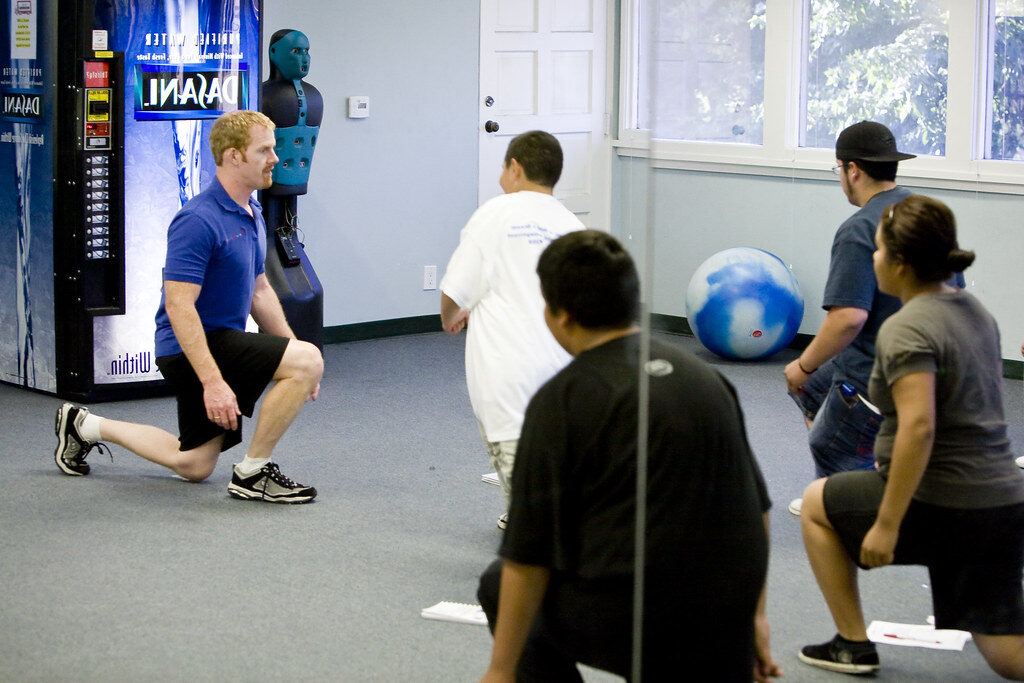
Pediatric Obesity Care and Physical Activity: Beyond the Scale
Reframing physical activity in pediatric obesity care settings can improve treatment and lifelong participation Pediatric obesity is complex, shaped by biological, social, environmental, and psychological factors. Globally, the prevalence of children and adolescents with overweight and obesity is estimated to be 14.8% and 8.5%, respectively.…
3–4 minutes
ISPAH Network
