English
  العربية
  简体中文
简体中文  Français
  Deutsch (Sie)
  Русский
  Español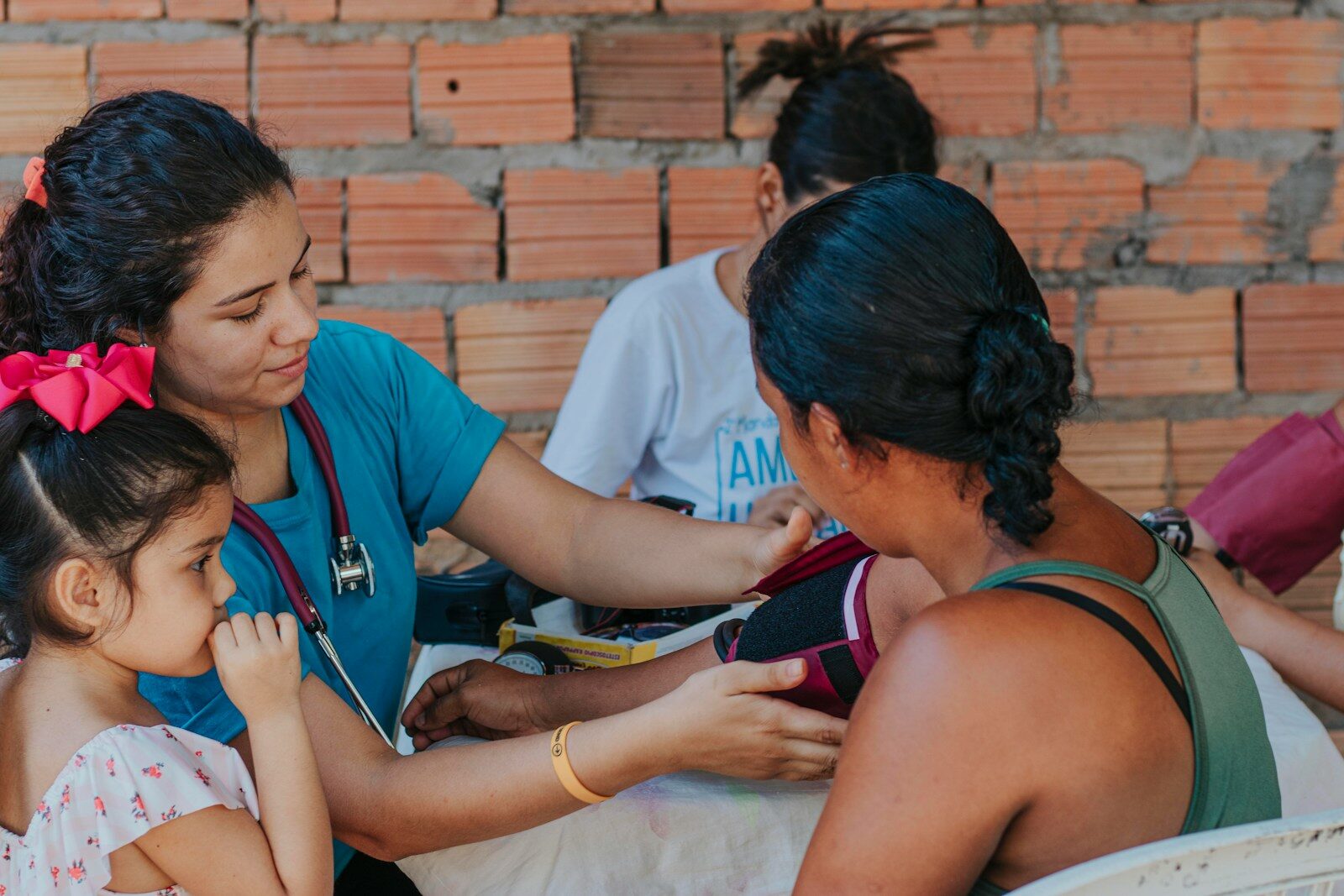
Bringing cardiovascular disease prevention closer to where people work, live and play
Most of us know being physically active, eating well, avoiding tobacco, and reducing our alcohol consumption can protect our heart and reduce the risk of cardiovascular disease. Yet, prevention only works if it reaches people. Opportunities to identify risk and support healthier behaviors are not always accessible to everyone. What if we made greater use of the places where people already live, work and gather to support healthier hearts?
Taking Prevention Into Communities
Around the world, innovative approaches are showing how cardiovascular prevention can reach people in their communities, build local capacity to support healthier lifestyles, and connect them to available resources.
Reaching people. In South London, a new program uses trusted neighborhood spaces to reach people who may be less likely to access traditional screening. Barbers are trained to serve as community champions, offering blood pressure checks in their shops and connecting people who need additional support with local wellness centers and pharmacies.
But reaching people is only the first step. Once risk or need is identified, communities need the capacity to provide meaningful opportunities for people to act.
Building community capacity. Move to Live More partnered with Special Olympics International and the American Council on Exercise to train community members, with and without intellectual disabilities, to become physical activity leaders, building local capacity to provide inclusive and accessible opportunities to be active.
Building capacity does not ensure that people will take advantage of these opportunities. The next challenge is connecting people with these resources and supporting them to engage.
Connecting people with opportunities to be active. Brazil’s national Academia da Saúde program provides free physical activity and health-promotion opportunities through community spaces linked with the primary healthcare network. This integration creates opportunities to connect people directly with local support for becoming more active.
Evidence from community-based cardiovascular prevention programs shows that these approaches can be effective in increasing physical activity levels.
While the settings and people differ, the principle is the same: community-based approaches can extend the reach of cardiovascular prevention beyond traditional healthcare settings, from identifying risk to creating opportunities for action and connecting people with support.
Putting it Together: The Wits Health HUBB
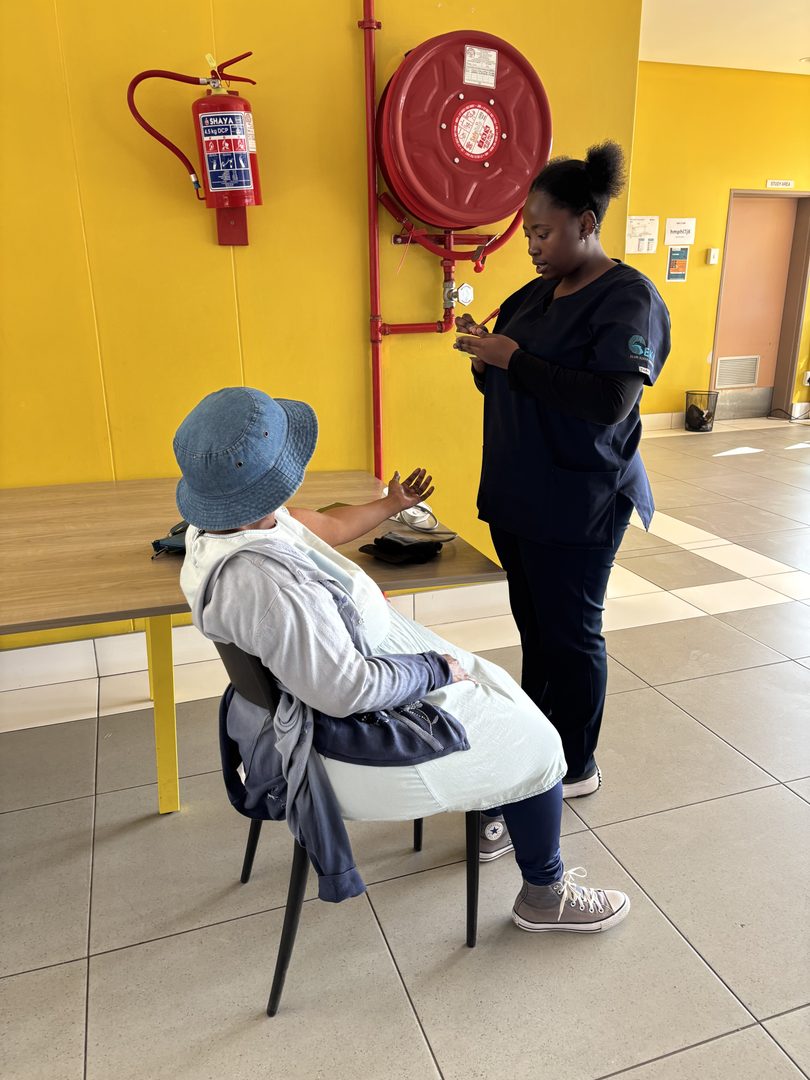
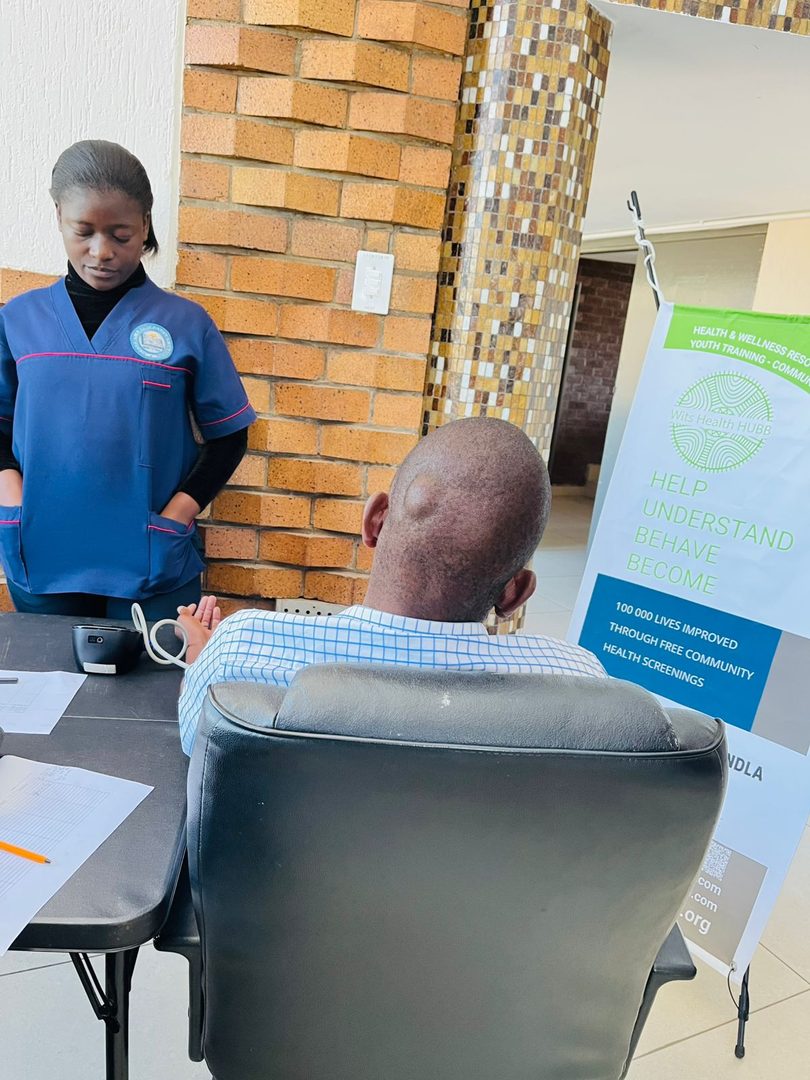
"(《世界人权宣言》) Wits Health HUBB (WHH) in Soweto, South Africa, provides an example of how these different elements of community-based prevention can come together in practice. Since its launch, the WHH has trained over 200 local youth as community health workers, who have gone on to conduct nearly 160,000 health screenings in homes and community settings, bringing basic preventive services to people rather than waiting for them to enter the health system.
Research alongside our program has demonstrated that home-based blood pressure screening was highly acceptable to community members, with 93% saying they would be likely to use the service again. Community health workers also incorporated a two-question Physical Activity Vital Sign (PAVS) into more than 2,200 screenings, taking an average of just 30 seconds to assess whether someone was sufficiently active. Importantly, screening did not have to end with identifying risk. People with elevated blood pressure were offered referrals to either healthcare services or a local community physical activity program; 173 accepted a physical activity referral and 46 subsequently enrolled.
Summary
The model is simple: reach people where they are, identify risks, support healthier behaviors, and connect individuals with resources that can help. How this looks in practice will vary across communities, depending on the people, places and resources available. On this World Heart Day, we should ask: how can we make use of resources within our communities to bring cardiovascular prevention closer to the people who need it?
带回家的信息
- Cardiovascular prevention can extend beyond healthcare settings to the places where people live, work and gather.
- Building community capacity can create more accessible opportunities for people to adopt and sustain healthy behaviors, including being physically active.
- Identifying risk is only the beginning: connecting people with physical activity opportunities and lifestyle support can help turn awareness into action.
作者
Dr Mark Stoutenberg | Department of Sport and Exercise Science, Durham University (UK)
Dr Lisa Ware | Ageing African Adult Research Unit (A3RU), School of Clinical Medicine, University of Witwatersrand (South Africa)