English
  العربية
  简体中文
简体中文  Français
  Deutsch (Sie)
  Русский
  Español
The International Society for Physical Activity & Health (ISPAH) and the Journal of Physical Activity & Health (JPAH) are proud to announce the third class of mentees for the Academia Bill Kohl de evaluación por homólogos. This Academy, named in honor of the late Harold W. (Bill) Kohl III, is a mentor-driven program designed to elevate the skills of early career researchers in the realm of scientific manuscript peer review. Through this initiative, participants will gain hands-on experience, working closely with experienced mentors to develop the critical skills necessary for effective peer review.
Acerca de la Academia Bill Kohl de Revisión por Pares:
Peer review is a cornerstone of scientific research, ensuring the quality and legitimacy of published work. For early career researchers, navigating the complexities of peer review can be daunting. The Bill Kohl Peer Review Academy addresses this challenge by offering comprehensive training and mentorship. Participants will be matched with senior peer-review mentors and engage in the review of at least two manuscripts submitted to JPAH over a one-year period. Graduates of the Academy will be recognized on the ISPAH and JPAH websites and celebrated across ISPAH and JPAH social media platforms and at the next ISPAH Congress.
El plan de estudios de la Academia incluye:
- Aprender a evaluar el mérito científico de los manuscritos
- Deliberar sobre los aspectos éticos, científicos y prácticos de la revisión inter pares
- Redactar informes constructivos de revisión inter pares
Meet the 2026–2027 Mentees
We are excited to introduce this year’s class of the Bill Kohl Peer Review Academy. These talented researchers come from diverse backgrounds and institutions, reflecting the global reach and inclusivity of the program.
- Dr. David Abernethy | Postdoctoral Fellow, Cancer Council Queensland, Australia; Visiting Fellow, Faculty of Health, Queensland University of Technology, Australia
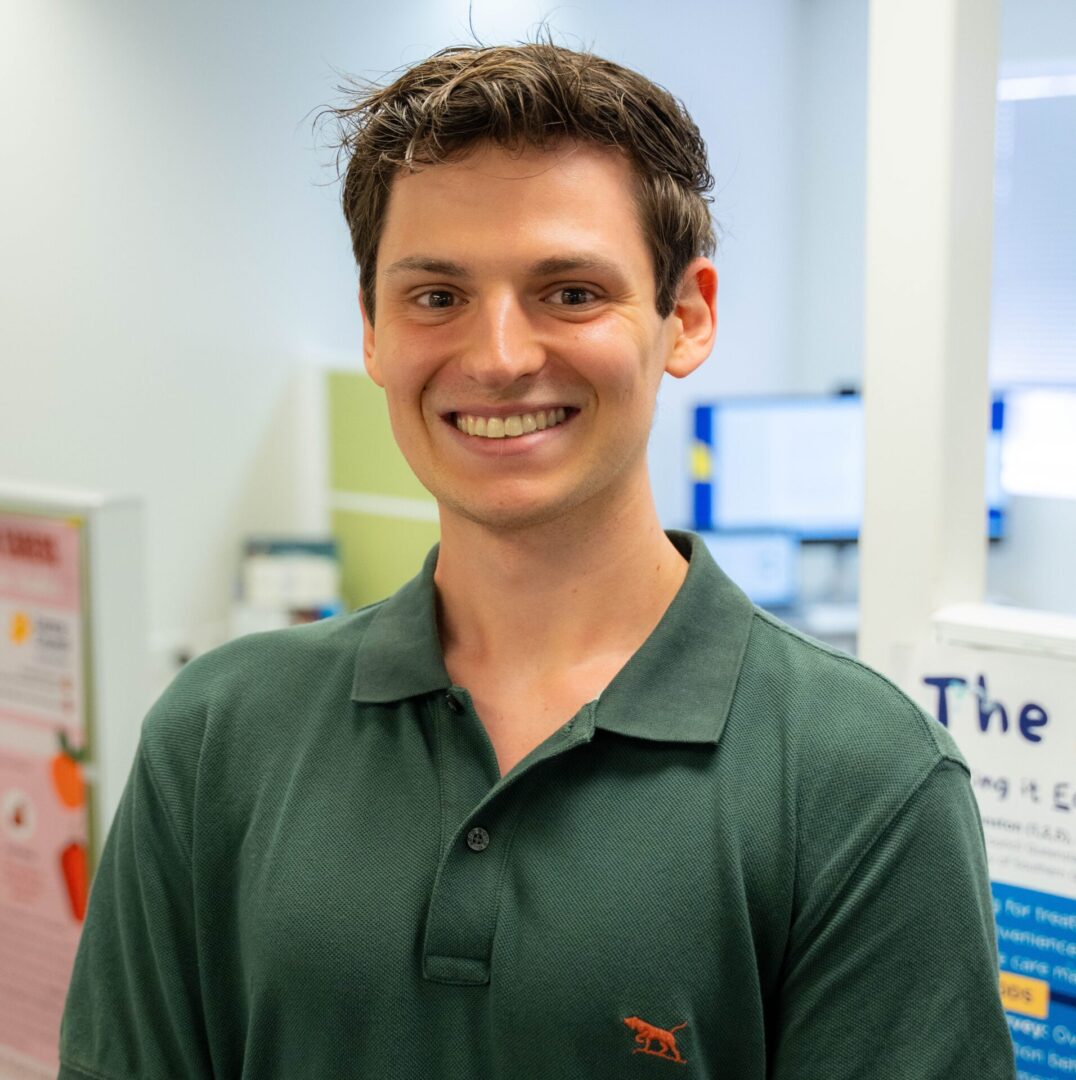
Intereses de investigación: My doctoral research examined how physical activity may reduce chronic disease prevalence across body mass index classifications, and my current postdoctoral work includes analyses related to physical activity, physical functioning, and quality of life in ovarian cancer survivorship.
Por qué participo en la Academia: I am particularly motivated to participate in the Academy because it offers hands-on peer review training through manuscripts submitted to JPAH, supported by one-on-one mentorship from an expert in the field. This structure would directly help me develop the skills required to evaluate manuscripts rigorously, assess scientific merit, consider the ethical and practical aspects of peer review, and prepare constructive reviewer reports. As I continue to build my research profile, these skills will be essential not only for my own development, but also for contributing to the quality and integrity of research within the broader physical activity and public health communities.
Mentor: Dr. Gregore Mielke
- Bushra Ali |PhD Student, London Sport Institute, Middlesex University London, UK
Intereses de investigación: My research interests include physical activity promotion, public health, behaviour change, healthy ageing, and the prevention and management of non-communicable diseases. My doctoral research focuses on developing a physical activity strategy to counteract metabolic syndrome among the multi-ethnic population of the United Arab Emirates. This work explores the physiological, behavioural, and socio-cultural factors influencing physical activity participation and aims to generate evidence-informed recommendations that can be translated into practice, policy, and population health initiatives.

Por qué participo en la Academia: I recognise the importance of learning from experienced editors and reviewers to enhance my ability to provide fair, constructive, and impactful feedback. I am particularly interested in strengthening my understanding of best practices in peer review, research quality assessment, and publication ethics.
Mentor: Dr. Loretta DiPietro
3. Julissa Ortiz-Brunel | PhD Student, Public Health Sciences, National Institute of Public Health (INSP), Mexico
Intereses de investigación: My research focuses on physical activity, gender inequalities, built environment and spatial disparities, and social epidemiology, particularly in low- and middle-income countries.
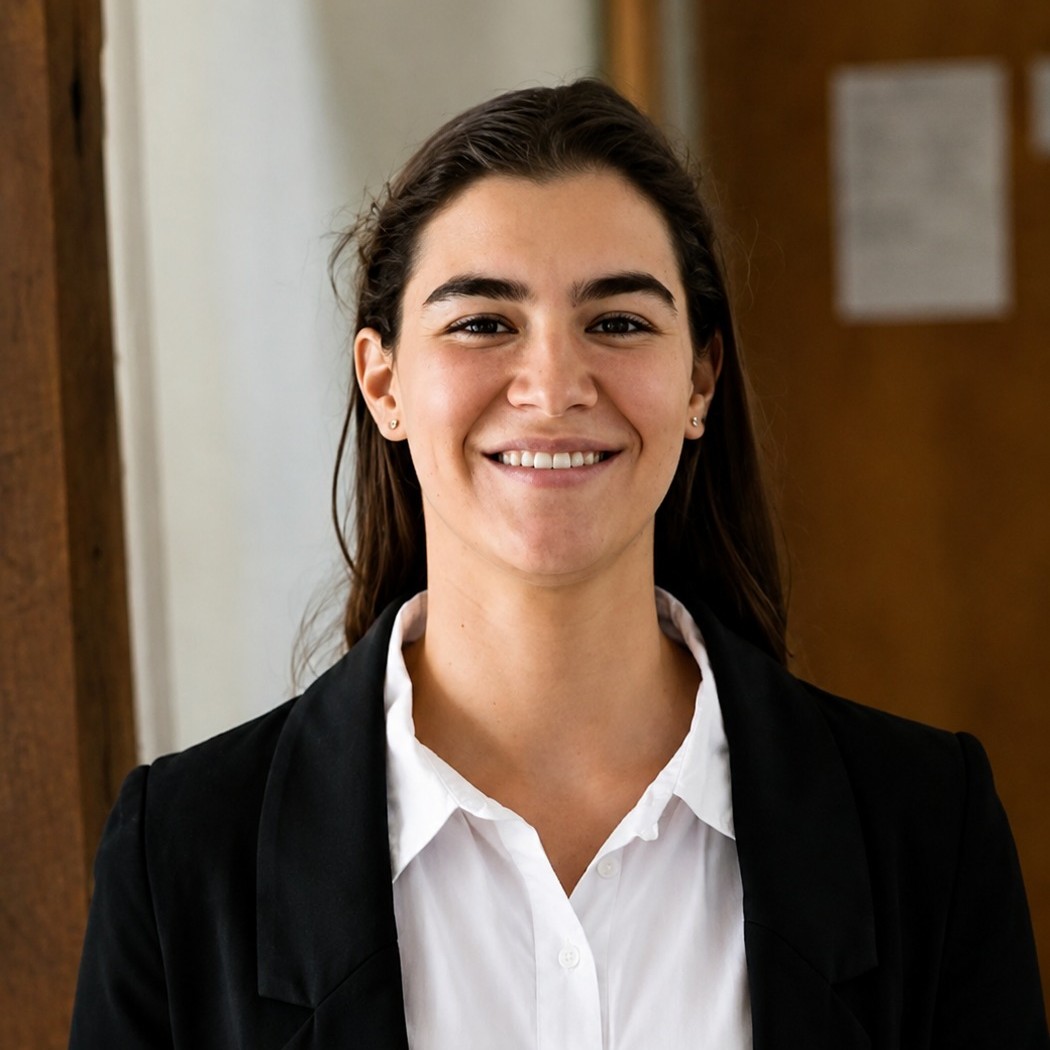
Por qué participo en la Academia: Through my doctoral research, I have become increasingly aware of the critical role that peer review plays in ensuring that scientific evidence is rigorous, transparent, and capable of informing public health policy and practice. My research experiences to date have reinforced my commitment not only to producing high-quality research but also to contributing to the integrity of the scientific literature through thoughtful and rigorous peer review.
Mentor: Dr. Michael Pratt
- Dr. Daniel Cooper | Postdoctoral Research Associate, School of Health and Medical Sciences, City St George’s, University of London, UK
Intereses de investigación: My work focuses on developing and evaluating physical activity interventions in people with cardiovascular diseases.
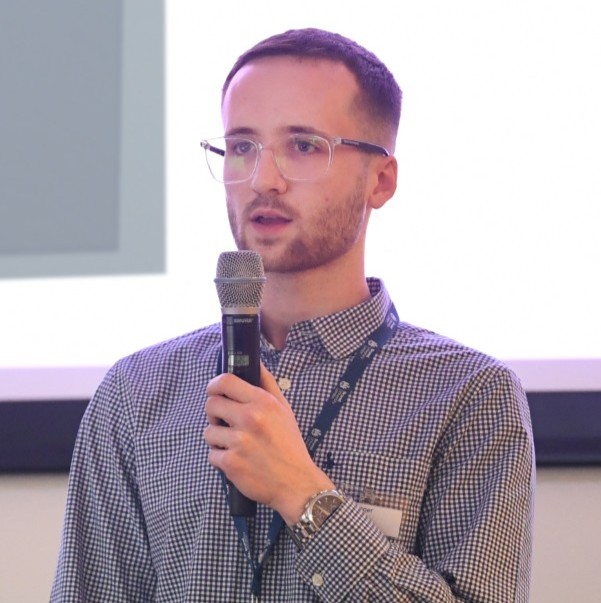
Por qué participo en la Academia: I have peer-reviewed a diverse range of interventional, observational, and qualitative manuscripts related to physical activity, sedentary behaviour, and health. This has given me invaluable experience in reviewing high-quality submissions, but I still have a lot to learn before becoming an independent academic. Therefore, I am keen to develop as much as possible and gain insight from leaders in my field.
Mentor: Dr. Natalie Pearson
- Raúl D. Gierbolini-Rivera |PhD Candidate, Bursky School of Public Health, Washington University in St. Louis, USA
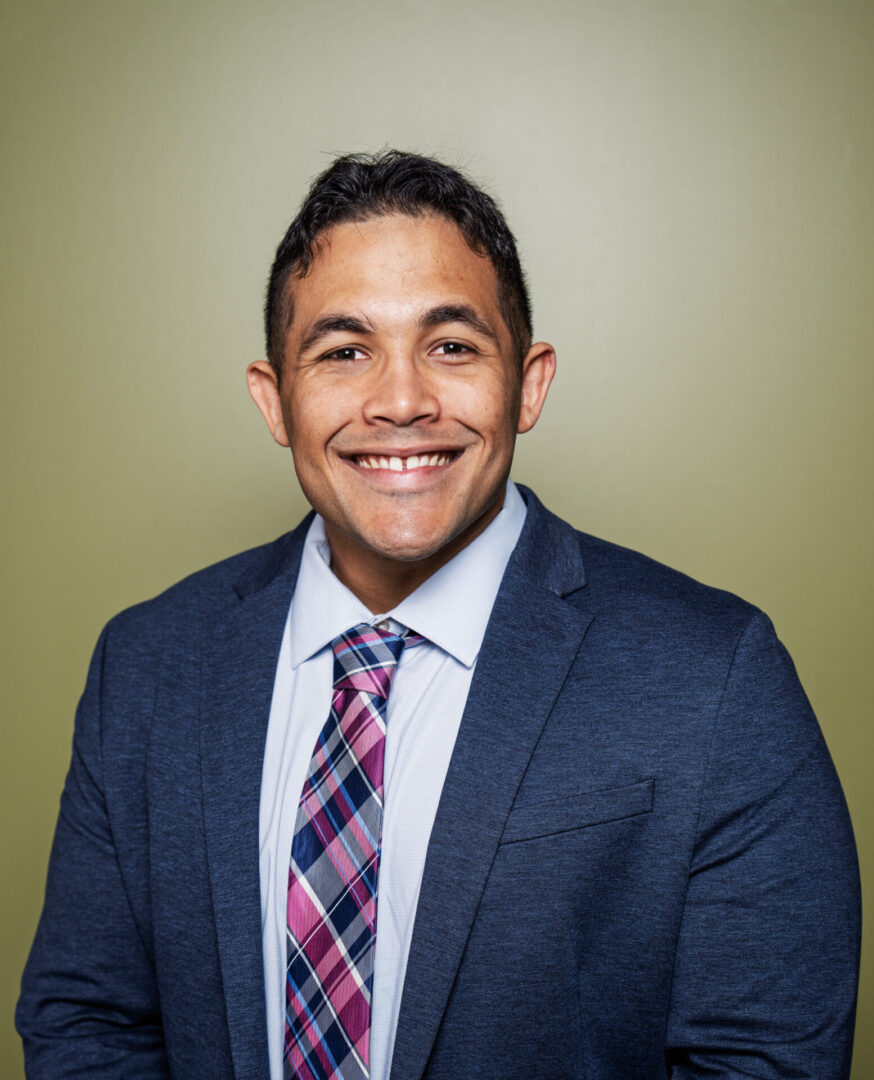
Intereses de investigación: My research focuses on understanding the relationship between climate change and physical activity, with an emphasis on developing, implementing, and sustaining strategies to maximize the co-benefits of physical activity for planetary health.
Por qué participo en la Academia: I highly value peer review as a cornerstone of scientific rigor and integrity. I recognize the importance of structured training to further develop my ability to provide constructive and meaningful feedback to authors. I am particularly interested in strengthening my ability to critically assess manuscripts, provide clear and actionable feedback, and uphold high standards of scientific quality.
Mentor: Dr. Pedro Hallal
- Dr. Malebogo Monnaatsie | Lecturer, Department of Sport Science, Physical Education and Coaching, University of Botswana, Botswana
Intereses de investigación: My current research focus includes physical activity and sedentary behaviour assessment in children and youth, the integration of physical activity in healthcare, and workplace-based health promotion.
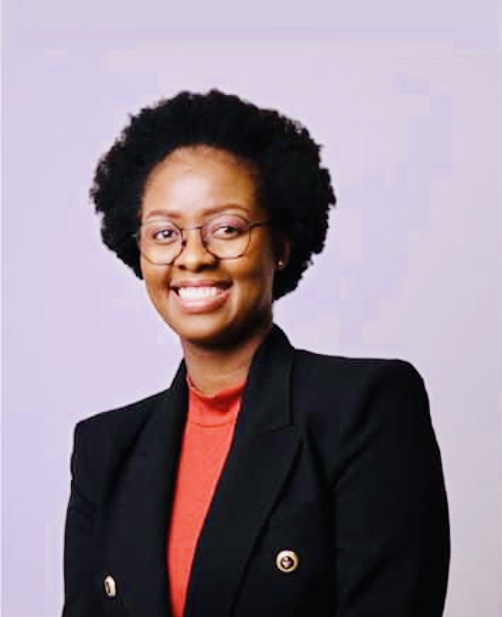
Por qué participo en la Academia: Participation in this program will not only benefit me personally but will also have a positive impact on the field of physical activity and health in Botswana and Africa. This experience will contribute to the professional capacity building of our department at the University of Botswana, in the largely unexplored field of physical activity epidemiology.
Mentor: Dr. Jasper Schipperijn
- Chessa S. Pituk | PhD Candidate, College of Sports Science and Technology, Mahidol University, Thailand; Assistant Professor, Department of Physical Education, University of the Philippines Manila, Philippines

Intereses de investigación: My research focuses on increasing physical activity through physical education among lower secondary students in Asian countries. I am interested in the motives for sports and exercise participation as well as school-based physical activity interventions.
Por qué participo en la Academia: I believe that this opportunity will help me become a more effective researcher and a competent and ethical peer reviewer. In the future, this will be an essential part of contributing to high-quality scientific research.
Mentor: Dr. Eun-Young Lee
- Dr. Kaitlyn Swinney | Postdoctoral Fellow, University of Texas at Austin School of Social Work, USA
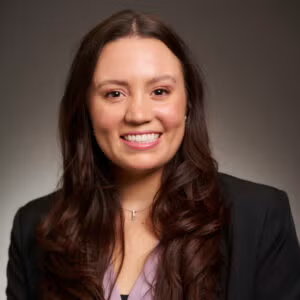
Intereses de investigación: I work with high-need communities to create tailored interventions that address higher levels of influence to change the cultural norms of activity in their community and create sustainability through time. I use community-based participatory research, mixed methods, and biological assessments to increase the understanding of how to best work together with communities on tailored solutions for increased active living.
Por qué participo en la Academia: I have appreciated reviewers’ comments and feedback on my work, and I believe that my contributions to science have been much more effective and compelling as a result of their suggestions. I believe hands-on experience with a mentor would help me to become an independent and effective peer reviewer for the research community.
Mentor: Dr. Trish Tucker
- Weixiao Zhang | PhD Student, School of Human Movement and Nutrition Sciences, The University of Queensland

Intereses de investigación: My current research explores how virtual reality exergaming can serve as a digital gateway to physical activity and social reconnection for military veterans and first responders.
Por qué participo en la Academia: I want to develop into a rigorous and fair reviewer at the outset of my research career, rather than acquiring these skills informally and in isolation. Serving as a reviewer would keep me engaged with the newest research in the field, and would be invaluable as I build toward an academic career.
Mentor: Dr. Stuart Biddle
- Yunlin Zhou | PhD Student, Department of Health Behavior, Texas A&M University School of Public Health, USA
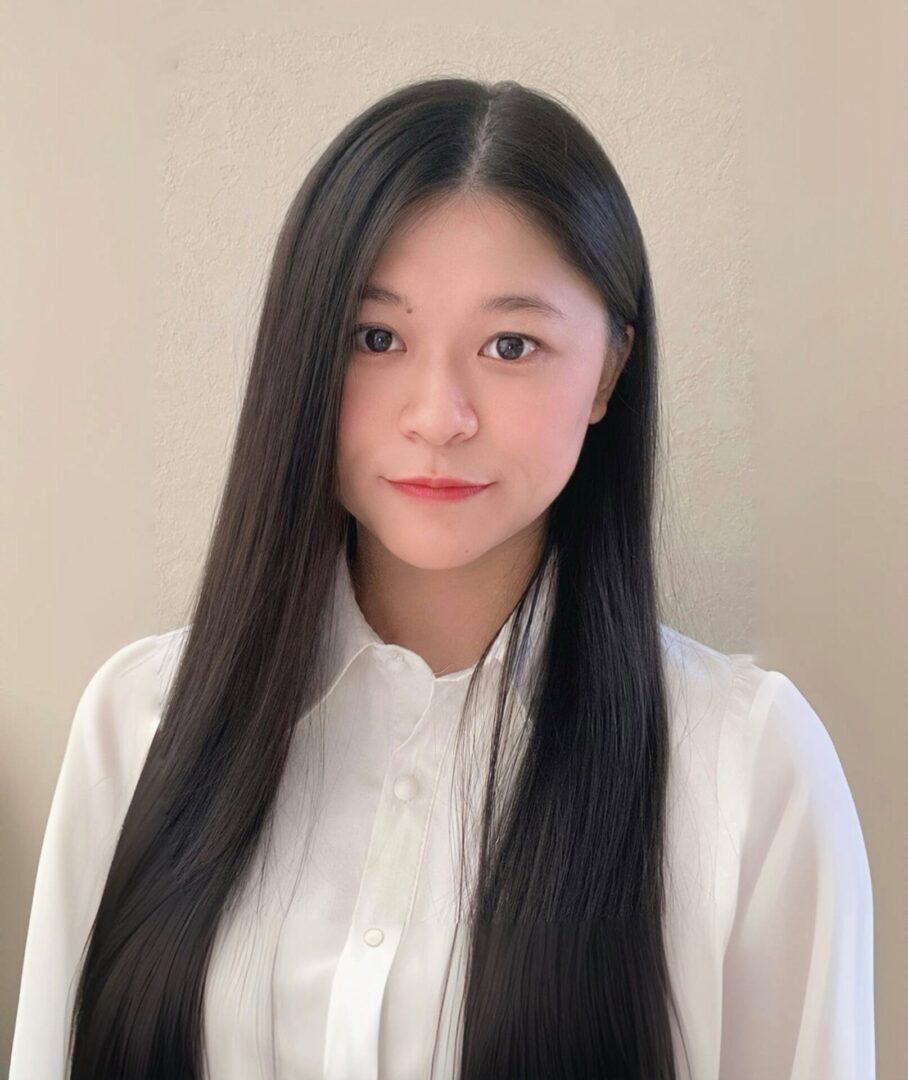
Intereses de investigación: My research explores behavioral and social determinants of physical activity and health outcomes among underserved populations. I am specifically interested in examining health disparities in U.S.-Mexico border communities as well as the role of social networks and support in determining health behaviors.
Por qué participo en la Academia: I recognize that providing high-quality, constructive peer reviews requires a unique set of skills that are best learned through mentorship and practice. I hope to learn how experienced reviewers evaluate manuscripts, provide balanced and actionable feedback, and contribute to maintaining the quality and integrity of scientific publications.
Mentor: Dr. Deborah Salvo